Buy c-a-n.eu ?
We are moving the project
c-a-n.eu .
Are you interested in purchasing the domain
c-a-n.eu ?
domain@kv-gmbh.de · 0541-91531010
Buy c-a-n.eu ?
What is a possessive pronoun in English?
A possessive pronoun in English is a pronoun that shows ownership or possession. Examples of possessive pronouns include "mine," "yours," "his," "hers," "ours," and "theirs." These pronouns are used to indicate that something belongs to a specific person or group. Possessive pronouns can stand alone or be used before a noun to show ownership. **
What is the difference between a possessive pronoun and a possessive adjective?
A possessive pronoun replaces a noun and shows ownership or possession, such as "mine," "yours," "his," "hers," "ours," and "theirs." On the other hand, a possessive adjective modifies a noun to show ownership or possession, such as "my," "your," "his," "her," "our," and "their." In essence, possessive pronouns stand alone, while possessive adjectives are used before a noun to describe who owns or possesses it. **
Similar search terms for Possessive pronoun
Top-Angebote
Products related to Possessive pronoun:
-
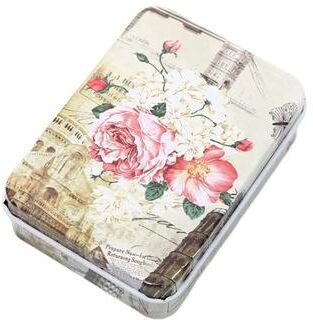
Inspire Essentials Aluminum Candle Tin Jar Refillable Cosmetic Storage Container With Lid 4Keep your small essentials neatly stored and beautifully organized with this versatile candle tin jar designed for everyday convenience. Crafted from lightweight aluminum, this durable container offers a clean and practical way to store candles,...34,98 $*Shipping: 0,00 $Secure redirect to the provider
-
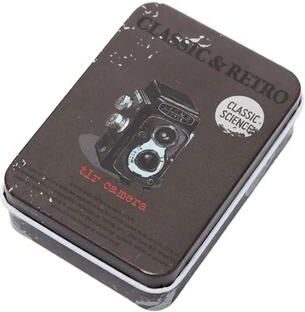
Inspire Essentials Aluminum Candle Tin Jar Refillable Cosmetic Storage Container With Lid 7Keep your small essentials neatly stored and beautifully organized with this versatile candle tin jar designed for everyday convenience. Crafted from lightweight aluminum, this durable container offers a clean and practical way to store candles,...34,98 $*Shipping: 0,00 $Secure redirect to the provider
-
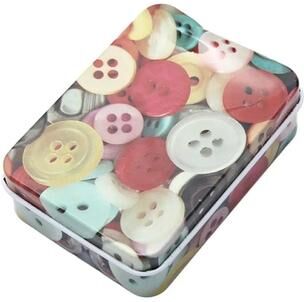
Inspire Essentials Aluminum Candle Tin Jar Refillable Cosmetic Storage Container With Lid 6Keep your small essentials neatly stored and beautifully organized with this versatile candle tin jar designed for everyday convenience. Crafted from lightweight aluminum, this durable container offers a clean and practical way to store candles,...34,98 $*Shipping: 0,00 $Secure redirect to the provider
-
Inspire Essentials Aluminum Candle Tin Jar Refillable Cosmetic Storage Container With Lid 1Keep your small essentials neatly stored and beautifully organized with this versatile candle tin jar designed for everyday convenience. Crafted from lightweight aluminum, this durable container offers a clean and practical way to store candles,...34,98 $*Shipping: 0,00 $Secure redirect to the provider


-
What is the difference between a personal pronoun and a possessive pronoun?
A personal pronoun is used to replace a noun and refers to a specific person or thing, such as "he," "she," or "they." On the other hand, a possessive pronoun shows ownership or possession, such as "his," "her," or "their." Personal pronouns indicate who is performing the action in a sentence, while possessive pronouns indicate who owns or possesses something. **
-
What is the possessive pronoun in Spanish?
The possessive pronoun in Spanish is a word that indicates ownership or possession. It agrees in gender and number with the noun it is referring to. Examples of possessive pronouns in Spanish include "mi" (my), "tu" (your), "su" (his/her/its/your formal), "nuestro/a" (our), and "vuestro/a" (your plural). **
-
What is the possessive pronoun for the 3rd person singular in Norwegian?
The possessive pronoun for the 3rd person singular in Norwegian is "hans" for masculine gender and "hennes" for feminine gender. These pronouns are used to show possession or ownership of something by a singular third person. For example, "hans bil" means "his car" and "hennes bok" means "her book". **
-
In French, do you use an apostrophe with the interrogative pronoun "quelle" and the possessive determiner "ma"?
Yes, in French, you use an apostrophe with the interrogative pronoun "quelle" and the possessive determiner "ma" when they are followed by a word starting with a vowel or a silent "h". For example, "quelle est ton adresse?" (What is your address?) and "ma amie" (my friend). **

What is a pronoun?
A pronoun is a word that is used in place of a noun to avoid repetition. It can refer to a person, place, thing, or idea. Pronouns help make sentences less repetitive and more concise. Examples of pronouns include he, she, it, they, we, and you. **
Is this a pronoun?
No, the word "this" is not a pronoun. It is a demonstrative adjective or pronoun that is used to indicate something specific or near in distance or time. Pronouns are words that replace nouns in a sentence, such as he, she, it, they, etc. **
Top-Angebote
Products related to Possessive pronoun:
-
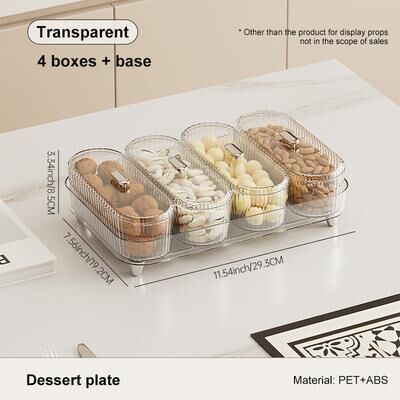
Rare Purchases Simple Style Nut And Dry Fruit Container With Lid, A Piece Of Home Living Fruit Bowl For Living Room transparentTransform your living space with A Piece of Home Living Fruit Bowl, the perfect blend of style and practicality. This simple style nut and dry fruit container with a lid adds a touch of elegance to any room while keeping your snacks organized and...56,97 $*Shipping: 0,00 $Secure redirect to the provider
-
Inspire Essentials Aluminum Candle Tin Jar Refillable Cosmetic Storage Container With Lid 9Keep your small essentials neatly stored and beautifully organized with this versatile candle tin jar designed for everyday convenience. Crafted from lightweight aluminum, this durable container offers a clean and practical way to store candles,...34,98 $*Shipping: 0,00 $Secure redirect to the provider
-
Inspire Essentials Aluminum Candle Tin Jar Refillable Cosmetic Storage Container With Lid 4Keep your small essentials neatly stored and beautifully organized with this versatile candle tin jar designed for everyday convenience. Crafted from lightweight aluminum, this durable container offers a clean and practical way to store candles,...34,98 $*Shipping: 0,00 $Secure redirect to the provider
-
Inspire Essentials Aluminum Candle Tin Jar Refillable Cosmetic Storage Container With Lid 7Keep your small essentials neatly stored and beautifully organized with this versatile candle tin jar designed for everyday convenience. Crafted from lightweight aluminum, this durable container offers a clean and practical way to store candles,...34,98 $*Shipping: 0,00 $Secure redirect to the provider
-
What is a possessive pronoun in English?
A possessive pronoun in English is a pronoun that shows ownership or possession. Examples of possessive pronouns include "mine," "yours," "his," "hers," "ours," and "theirs." These pronouns are used to indicate that something belongs to a specific person or group. Possessive pronouns can stand alone or be used before a noun to show ownership. **
-
What is the difference between a possessive pronoun and a possessive adjective?
A possessive pronoun replaces a noun and shows ownership or possession, such as "mine," "yours," "his," "hers," "ours," and "theirs." On the other hand, a possessive adjective modifies a noun to show ownership or possession, such as "my," "your," "his," "her," "our," and "their." In essence, possessive pronouns stand alone, while possessive adjectives are used before a noun to describe who owns or possesses it. **
-
What is the difference between a personal pronoun and a possessive pronoun?
A personal pronoun is used to replace a noun and refers to a specific person or thing, such as "he," "she," or "they." On the other hand, a possessive pronoun shows ownership or possession, such as "his," "her," or "their." Personal pronouns indicate who is performing the action in a sentence, while possessive pronouns indicate who owns or possesses something. **
-
What is the possessive pronoun in Spanish?
The possessive pronoun in Spanish is a word that indicates ownership or possession. It agrees in gender and number with the noun it is referring to. Examples of possessive pronouns in Spanish include "mi" (my), "tu" (your), "su" (his/her/its/your formal), "nuestro/a" (our), and "vuestro/a" (your plural). **
Similar search terms for Possessive pronoun
-
Inspire Essentials Aluminum Candle Tin Jar Refillable Cosmetic Storage Container With Lid 6Keep your small essentials neatly stored and beautifully organized with this versatile candle tin jar designed for everyday convenience. Crafted from lightweight aluminum, this durable container offers a clean and practical way to store candles,...34,98 $*Shipping: 0,00 $Secure redirect to the provider
-
Inspire Essentials Aluminum Candle Tin Jar Refillable Cosmetic Storage Container With Lid 1Keep your small essentials neatly stored and beautifully organized with this versatile candle tin jar designed for everyday convenience. Crafted from lightweight aluminum, this durable container offers a clean and practical way to store candles,...34,98 $*Shipping: 0,00 $Secure redirect to the provider
-
Inspire Essentials Aluminum Candle Tin Jar Refillable Cosmetic Storage Container With Lid 5Keep your small essentials neatly stored and beautifully organized with this versatile candle tin jar designed for everyday convenience. Crafted from lightweight aluminum, this durable container offers a clean and practical way to store candles,...34,98 $*Shipping: 0,00 $Secure redirect to the provider
-
Inspire Essentials Aluminum Candle Tin Jar Refillable Cosmetic Storage Container With Lid 2Keep your small essentials neatly stored and beautifully organized with this versatile candle tin jar designed for everyday convenience. Crafted from lightweight aluminum, this durable container offers a clean and practical way to store candles,...34,98 $*Shipping: 0,00 $Secure redirect to the provider
-
What is the possessive pronoun for the 3rd person singular in Norwegian?
The possessive pronoun for the 3rd person singular in Norwegian is "hans" for masculine gender and "hennes" for feminine gender. These pronouns are used to show possession or ownership of something by a singular third person. For example, "hans bil" means "his car" and "hennes bok" means "her book". **
-
In French, do you use an apostrophe with the interrogative pronoun "quelle" and the possessive determiner "ma"?
Yes, in French, you use an apostrophe with the interrogative pronoun "quelle" and the possessive determiner "ma" when they are followed by a word starting with a vowel or a silent "h". For example, "quelle est ton adresse?" (What is your address?) and "ma amie" (my friend). **
-
What is a pronoun?
A pronoun is a word that is used in place of a noun to avoid repetition. It can refer to a person, place, thing, or idea. Pronouns help make sentences less repetitive and more concise. Examples of pronouns include he, she, it, they, we, and you. **
-
Is this a pronoun?
No, the word "this" is not a pronoun. It is a demonstrative adjective or pronoun that is used to indicate something specific or near in distance or time. Pronouns are words that replace nouns in a sentence, such as he, she, it, they, etc. **
* All prices are inclusive of VAT and, if applicable, plus shipping costs. The offer information is based on the details provided by the respective shop and is updated through automated processes. Real-time updates do not occur, so deviations can occur in individual cases. ** Note: Parts of this content were created by AI.